Keno | Keno Demo & phl789 Guide
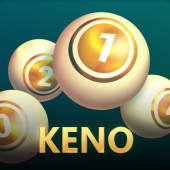
Keno is a number-draw cards game: choose a set of numbers, confirm a stake, and compare your selection with the drawn result. This page gives a direct, practical answer for visitors who want to understand the round before using the Keno Demo or joining a live session.
The clearest way to approach phl789 Keno is to read the current paytable, practise the selection screen, and decide a fixed entertainment budget before any real-money action. Draws are independent, so a previous result cannot make a number due.
Keno players also compare cards games
What Keno is: the draw and the player decision
Keno is a number-draw cards game in which a player marks numbers before the draw. In phl789 Keno, the board, ticket cost, selection limit, and paytable explain the round; the draw itself supplies the random result. That is the core answer to what Keno is.
- Read the Keno board. Check the number range, selection limit, stake, and paytable.
- Make a Keno selection. Mark numbers, review the ticket, and confirm only when the cost is clear.
- Wait for the Keno draw. Count matches after the complete result, not during the animation.
- Review the Keno ticket. The result panel shows qualification and the displayed payout rule.
A first phl789 Keno session should be a learning session. A Keno result is not changed by tapping order, a previous draw, or a number that feels overdue. The information control and paytable are the reliable source for this Keno format, while a fixed ticket count keeps the experience easy to stop.
That distinction makes Keno clear: number choice is a personal decision, but the draw remains independent. Use the same care for every Keno round and never treat a near miss as a forecast.
Keno strategy: choosing a steady pace
Keno strategy is primarily about controlling decisions rather than predicting a random draw. The most useful approach is to set a ticket budget, keep selections consistent, and judge the experience by the quality of your process instead of by a short winning streak. This direct Keno comparison favours a repeatable plan over a complicated promise.
Build a repeatable plan
Choose a small session amount before opening the board. Divide that amount into a known number of tickets, then use the same stake while learning. This keeps a single result from changing your budget or tempting you to chase a loss.
Treat patterns carefully
Hot, cold, overdue, and lucky labels are descriptions of history, not forecasts. Balanced-looking numbers and personal numbers have no special power over an independent draw. Pick a method that is easy to repeat and does not encourage impulsive increases.
Compare the paytable
Before using a new ticket style, compare its required matches, stake multiplier, and displayed payout. A larger possible prize can come with a lower chance of qualifying. The right choice is the one whose cost and pace suit your planned session.
Players who enjoy several formats can use Baccarat for a different, table-based rhythm, but the same discipline still applies: define a limit, understand the rules, and never treat a past outcome as a promise about the next one. A Keno round is not improved by doubling a ticket after a loss.
If you win, record the amount and decide in advance whether to end the session or keep only the original budget in play. If you lose the planned amount, stop. This simple Keno strategy protects the entertainment value of the activity while leaving the random result to the game.
Keno Demo: practise before you decide
Keno Demo is useful when you want to learn the interface without making a deposit decision immediately. A practice round can show how numbers are selected, where the stake appears, how the draw is animated, and where the result is confirmed. This Keno Demo walkthrough answers the practical question of what to check first.
- Make a note of the number range and selection limit before marking a ticket.
- Try one simple selection and one different selection so the comparison screen is familiar.
- Locate the clear, reset, confirm, and result controls before increasing any pace.
- Read the paytable after a practice result instead of assuming that every match has the same value.
- Close the practice session if the game feels confusing or if you notice an urge to chase a result.
The Keno Demo should be treated as an orientation tool, not as evidence that a real-money result is more likely. Demo outcomes do not create a reliable prediction for later rounds. Use the time to learn the controls, then decide whether the format is enjoyable and affordable for you.
A clear Play Now decision
When the board, stake, and stop point are understood, you can choose whether to open phl789 Keno. If you are still unsure about a rule, stay in practice and read the displayed help rather than guessing.
Keno use cases for breaks and mobile play
Keno suits a short, structured break when you can give the result your attention and leave on time. It can also fit a relaxed social conversation because the selection phase is clear, but a social setting should never pressure anyone to spend more or continue longer. For phl789 Keno, match the session length to the setting rather than chasing a changing result.
A short break
Set a timer and a fixed ticket count before starting. A short Keno session works best when the end is decided before the first draw, not when the balance or mood makes the decision for you.
A shared screen
Explain the selection rule and the stake to everyone watching. Keep personal accounts and payment details private, and remember that friends can share the experience without sharing a budget.
A phone session
Use a stable connection, keep the browser controls visible, and check that the confirm button shows the intended ticket. The phl789 mobile layout should be used only where the player can focus without rushing.
Someone who prefers an active visual pace may compare Keno with Coin Pusher, while a player who likes an arcade-style target format may look at Happy Fishing. Those are navigation choices, not promises of a better result. Pick a format because it matches your preferred pace and rules.
For people researching the phl789 mobile experience, the practical checklist is simple: use the official site address, verify the game name and image, read the terms, and keep the device private. Do not install an unknown file or follow a copied login prompt. A smaller screen should change the layout, never the need for careful decisions.
Keno beginner notes for a confident first round
Keno beginners usually benefit more from a calm checklist than from a complicated system. Confirm your age and local eligibility, understand the displayed terms, and decide that the stake is an entertainment expense before you submit a ticket. These Keno notes are the short answer to what a first-time player should not overlook.
- Know the cost: check the ticket total, any multiplier, and the balance after confirmation.
- Know the rule: check how many numbers may be selected and how matching numbers are evaluated.
- Know the stop: choose a loss limit, a time limit, or a ticket limit, and honour the first one reached.
- Know the result: wait for the final panel and review the ticket history instead of judging from an animation.
- Know when to pause: never play to recover money, and take a break if the session causes stress.
The official phl789 app download route should always be checked on the platform's current pages, and players should avoid APK files shared through messages or unofficial mirrors. If you use phl789 app download information, verify the domain, permissions, and version before installing anything. Browser access is a reasonable alternative when you do not need an app.
Good beginner behaviour applies to every Keno format: do not borrow to play, do not hide activity from people who help you stay accountable, and do not increase a stake because a draw feels overdue. If you cannot keep the planned boundary, close the game and contact the platform's support team about available limits or a break.
Finally, keep expectations realistic. A guide can explain Keno mechanics and help you navigate a Keno Demo, but no guide can remove randomness. Use the page to make an informed choice, enjoy the presentation responsibly, and leave the session when your plan says it is time.